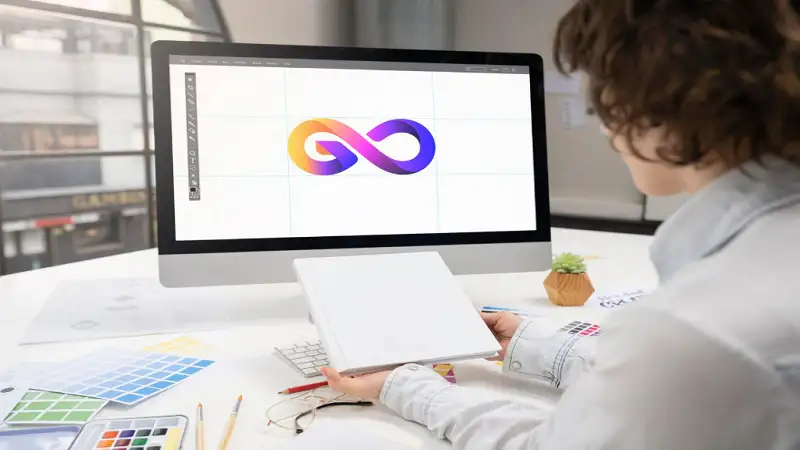
A logo may be small in size, but its impact is anything but. It’s often the first visual cue people associate with your business, long before they read your content or understand your offer. In a world where attention is limited and competition is constant, that first impression can determine whether someone stays curious—or moves on.
For many business owners and creators, designing a logo feels like a high-pressure decision. You want it to look professional, reflect your values, and stand the test of time. At the same time, you may be working with limited resources or tight deadlines. This combination often leads to frustration, overthinking, or postponing the process altogether. But today, the path to a strong visual identity is far more accessible than it used to be.
Modern branding tools have changed the rules. Instead of starting from scratch or navigating endless revisions, creators now have smarter ways to bring their ideas to life with confidence and clarity.
In particular, tools like the AI logo generator allow users to move from concept to polished design efficiently, offering guidance without limiting creative freedom. It’s a shift that’s helping brands of all sizes start stronger and faster.
The Role of Logos in a Digital-First World
Logos used to live mainly on storefronts, brochures, and business cards. Today, they’re everywhere. They appear on social media profiles, mobile apps, email signatures, online ads, packaging, and video content. Each placement reinforces your identity—or weakens it if the design feels inconsistent or unrefined.
A strong logo creates instant recognition. Over time, that recognition builds familiarity, and familiarity builds trust. People are more likely to engage with brands that feel established and cohesive, even if they’re encountering them for the first time.
For startups and small businesses, this matters deeply. You may not have years of brand history, but a clear visual identity helps you appear credible from day one.
Why Logo Design Often Feels Overwhelming
Traditional logo design can feel intimidating, especially without a design background. Choosing colors, fonts, and shapes that work together isn’t as simple as it seems. Every decision carries meaning, and without guidance, it’s easy to second-guess yourself.
Working with professional designers can be a great option, but it’s not always practical. Costs add up quickly, timelines can stretch, and translating your vision into a clear brief isn’t always easy. Many founders end up with logos that feel “almost right” but are never fully satisfying.
That uncertainty can linger—and it often leads to rebranding later, which is far more disruptive than getting it right early on.
How Smarter Tools Simplify the Process
Modern logo creation tools take a more guided approach. Instead of leaving users alone with a blank canvas, they offer structured starting points based on style preferences, industry context, and brand personality.
This structure doesn’t limit creativity—it focuses it. By narrowing options intelligently, these tools help users make confident decisions faster. You can experiment, compare, and refine without feeling lost or overwhelmed.
For people juggling multiple responsibilities, this efficiency is invaluable. It allows you to build a professional brand identity without putting everything else on hold.
Real-World Examples of Faster Branding Wins
Consider a small e-commerce brand launching its first product. The founders need a logo that looks trustworthy and modern, but they’re also managing inventory, marketing, and customer support. Spending weeks on design isn’t realistic.
With guided logo creation, they can explore styles, adjust colors, and settle on a design that fits their brand vision in a fraction of the time. That logo then carries across their website, packaging, and ads, creating a consistent experience for customers.
The same applies to consultants, freelancers, and content creators. A clear logo helps them stand out in crowded spaces and signals professionalism, even when competing with larger brands.
Practical Tips for Designing a Logo That Lasts
No matter how you design your logo, a few principles will help ensure it remains effective over time:
- Aim for simplicity. Clean designs are easier to recognize and remember.
- Think about versatility. Your logo should work across different platforms and sizes.
- Choose typography carefully. Fonts communicate personality just as much as colors.
- Avoid trends that age quickly. Timeless designs outlast short-term styles.
- Test before committing. See how your logo looks in real-world contexts.
A good logo doesn’t just look nice—it works hard for your brand.
Branding Is an Ongoing Relationship
Your logo is not a static asset. It evolves as your brand grows, but its core identity should remain consistent. Starting with a strong foundation makes future adjustments easier and more intentional.
When your visual identity aligns with your message, everything feels more cohesive. Marketing becomes smoother. Content feels more confident. And your audience knows what to expect from you.
Conclusion: Start With Confidence, Not Confusion
Creating a logo doesn’t have to be stressful or slow. With the right approach and the right tools, it can be an empowering step toward building a brand that feels authentic and professional.
A strong logo sets the tone for everything that follows. When it’s clear, intentional, and well-designed, it helps your brand speak before you ever say a word—and that kind of clarity is always worth investing in.