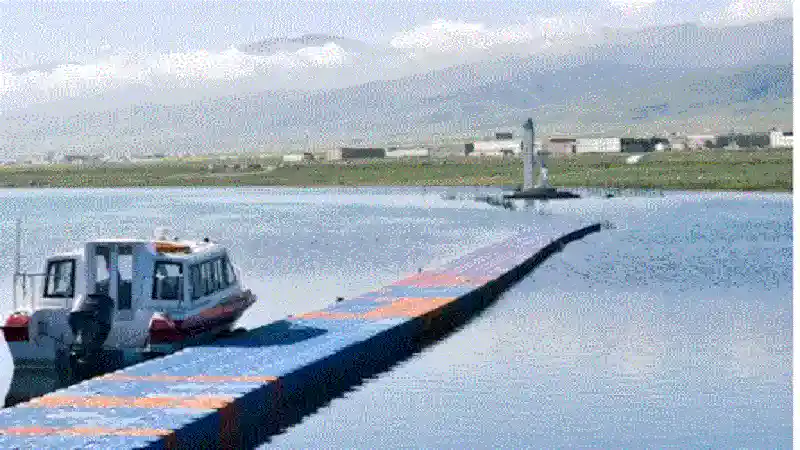
The commercial landscape of coastal development is undergoing a profound transformation driven by climate volatility and stringent financial realities. Modern marina operators face escalating operational challenges, including intensifying tidal fluctuations, severe coastal storms, and accelerating degradation of legacy infrastructure. Traditional fixed structures, once the industry benchmark, are rapidly becoming an economic liability due to continuous repair overhead and functional limitations during extreme water-level anomalies.
To mitigate these risks, developers must evaluate the Total Cost of Ownership (TCO) rather than focusing solely on initial capital expenditure. This requires shifting from rigid, static constructions toward adaptable, highly resilient infrastructure engineered for long-term survival. As global waterfront development scales, the demand for durable and scalable infrastructure has skyrocketed. Modern marinas are transitioning from static, high-maintenance structures to adaptable floating systems to combat fluctuating water levels. For instance, commercial-grade Hiseadock constructed from High-Density Polyethylene (HDPE) can withstand extreme UV exposure and support a bearing capacity of up to 350 kg/m², fundamentally shifting the long-term ROI for marina operators.
Transitioning to flexible systems not only preserves capital over a multi-decade asset lifecycle but also ensures uninterrupted operational continuity. Strategic investment in modular architecture provides commercial facilities with the agility required to navigate modern environmental and economic demands.
Comparing Dock Materials: From Timber to Advanced Polymers
Selecting the appropriate structural material is the most critical decision in waterfront infrastructure design, directly dictating asset longevity, structural integrity, and ongoing maintenance budgets.
The Hidden Costs of Traditional Timber and Steel
Legacy materials present compounding maintenance challenges that erode operational profitability over time. While timber offers a lower initial purchase price, it is inherently vulnerable to biological decay, marine borers, and mechanical wear.
- Timber Vulnerabilities: Constant moisture exposure leads to rapid rot, splintering, and structural warping, requiring frequent timber replacement and posing physical safety hazards to patrons.
- Steel Degradation: Steel structures offer high initial tensile strength but suffer from aggressive galvanic corrosion and oxidation in saltwater environments.
- Heavy Maintenance Overhead: Preventing structural failure in steel requires rigorous, continuous applications of marine-grade anti-corrosive coatings and cathodic protection systems.
- Operational Downtime: The sheer deadweight of steel makes re-anchoring and dry-dock repairs labor-intensive, significantly inflating the Total Cost of Ownership and causing revenue-losing operational closures.
The Engineering Behind High-Density Polyethylene (HDPE)
Modern polymer engineering has established a new industry standard through the deployment of High Molecular Weight HDPE. Unlike organic or metallic materials, advanced polyethylenes are chemically inert and specifically synthesized to endure harsh marine environments without structural degradation.
- Molecular Stability & UV Resistance: Advanced HDPE formulations incorporate specialized UV-stabilizing carbon black additives, preventing photodegradation, brittleness, and chalking even under decades of direct solar radiation.
- Impact & Fatigue Resistance: The material exhibits exceptional viscoelasticity, allowing it to absorb high-energy wave impacts and kinetic loads without permanent deformation or micro-fracturing.
- Environmental & Chemical Safety: HDPE does not corrode, rust, or suffer from biological fouling. Crucially, it involves zero toxic leaching, making it entirely safe for sensitive marine ecosystems while eliminating the chemical maintenance required by legacy materials.
Material Performance Comparison
| Metric / Material | Traditional Timber | Structural Steel | High-Density Polyethylene (HDPE) |
| Initial Capital Cost | Low | High | Medium to Moderate |
| Maintenance Frequency | High (Annual sealing, plank replacement) | High (Regular anti-corrosive repainting) | Virtually Zero (Occasional inspection/cleaning) |
| Expected Lifespan | 8 – 12 Years (Marine environment) | 15 – 20 Years (With heavy maintenance) | 20 – 30+ Years (High structural persistence) |
Core Requirements for Commercial Floating Systems
Designing commercial-grade waterfront facilities requires strict adherence to physical engineering standards to ensure structural safety during peak operational loads and adverse weather events.
Load-Bearing and Stability Standards
Commercial marine facilities must support substantial static and dynamic loads, ranging from dense pedestrian traffic and maintenance vehicles to the mooring forces of heavy vessels.
- Precision Buoyancy Metrics: Professional-grade floating systems must deliver consistent buoyancy ratings, typically engineered to support minimum live loads exceeding 300 kg/m² to 350 kg/m².
- Structural Deflection Control: High load-bearing capacity prevents localized submersion or deck tilting under unevenly distributed weight, ensuring structural stability and pedestrian safety.
- Connection Tensile Strength: The interlocking pins and elastomer couplers connecting floating modules must be engineered with high shear and tensile strength to withstand continuous cyclic wave action and vessel docking impacts.
Modularity for Dynamic Water Levels
A critical advantage of modern polymer systems is their modular, interlocking architecture, which provides unmatched operational flexibility compared to static structures.
- Adaptive Expansion: Interlocking cube and pontoon configurations allow operators to rapidly scale, reconfigure, or customize slip layouts without deploying heavy construction equipment or underwater pile driving.
- Dynamic Tidal Synchronization: Modular floating systems articulate seamlessly with fluctuating water tables, king tides, and seasonal flood levels, eliminating the access barriers common to fixed piers.
- Streamlined Property Asset Management: The ability to disassemble and relocate modular sections optimizes marina management workflows and enhances overall waterfront property valuation by future-proofing the facility against evolving operational needs.
Environmental Compliance in Coastal Development
Modern coastal engineering operates under rigorous environmental regulatory frameworks designed to preserve fragile marine habitats and prevent industrial contamination.
Protecting aquatic ecosystems is a primary mandate for modern coastal development. Unlike chemically treated timber, which can leach toxic preservatives into the water, engineered polymers are chemically inert. According to the Environmental Protection Agency (EPA) guidelines on marine construction, utilizing non-toxic, recyclable materials in water infrastructure is critical to preventing chemical runoff that disrupts local marine habitats.
By deploying 100% recyclable, food-grade polyethylene structures, developers eliminate the introduction of copper, chromium, arsenic, and synthetic antifouling chemicals into marine food webs. Aligning infrastructure choices with international environmental compliance not only mitigates legal and regulatory risks but also positions marina developments as sustainable, eco-conscious commercial enterprises.
Key Takeaways
| Area | Key Takeaway | Impact/Data |
| TCO & Lifespan | Mandate HDPE to eliminate continuous structural maintenance. | Yields a 20-30+ year lifespan vs. timber’s 8-12 years. |
| Engineering | Deploy floating modular architecture for dynamic tidal synchronization. | Supports 350 kg/m² loads; expands without heavy equipment. |
| Risk & Compliance | Rejects timber/steel to prevent ecological and structural failures. | Zero toxic leaching; ensures total EPA regulatory compliance. |
Conclusion and Future Outlook
The future of commercial waterfront infrastructure lies in the transition from high-maintenance legacy materials to advanced, resilient polymer engineering. By prioritizing modular HDPE systems, developers optimize their long-term financial returns through superior load-bearing capacity, minimal maintenance overhead, and extended asset lifecycles. Embracing these scalable, environmentally compliant technologies ensures that modern marinas remain structurally sound, economically viable, and ecologically responsible for decades to come.
See More: thelaptopadviser.org